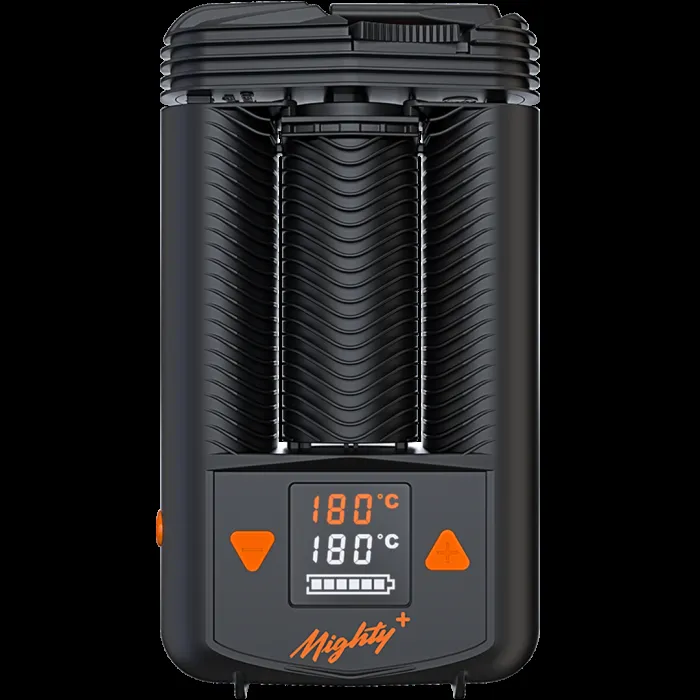
A portable vaporizer is only as practical as the way it fits into everyday use. The Mighty+ by Storz & Bickel already includes several useful features, but the right accessories can make storage, cleaning, charging, loading, and transportation easier. Adults researching mighty plus accessories can also review the Mighty Plus Vaporizer product page to understand the device’s specifications and determine which additions may suit their setup.
The Mighty+ is designed with portability and ease of operation in mind. It features hybrid heating, USB-C charging, a ceramic-coated filling chamber, adjustable temperature settings, and a cooling unit. Its built-in stirring tool also doubles as a kickstand, giving the device a convenient way to remain upright between sessions.
Optional accessories are not equally useful for every owner. Someone who mainly uses the device at home may prioritize different items than someone who carries it regularly. Looking at individual habits first makes it easier to choose additions that provide genuine value.
Dosing Capsules for Cleaner Loading
Dosing capsules are among the most practical additions for Mighty+ owners who prefer to prepare material ahead of time. Instead of placing material directly into the filling chamber each time, a capsule can be prepared and inserted when needed.
This can be particularly convenient for adults who use their device away from home. Several capsules can be prepared in advance, reducing the need to carry loose material or handle it during loading.
Capsules can also help keep the filling chamber cleaner by containing material within a separate compartment. They do not remove the need for routine cleaning, but they can reduce loose particles entering other parts of the device.
The Mighty+ includes a dosing capsule, so buyers can test the concept before deciding whether additional capsules are worthwhile. People who rarely travel with their vaporizer may find the included capsule sufficient.
Those who prefer organized preparation may find a larger supply more useful. The decision ultimately depends on how frequently the device is used and how much convenience matters during loading.
A Stable Place for the Device
A stand can be a simple but useful addition to a portable vaporizer setup. The Mighty+ includes a built-in kickstand through its stirring tool, allowing it to remain upright. A dedicated stand can provide another option for keeping the device positioned securely.
A stable base can make loading more comfortable and provide a consistent place to store the vaporizer between sessions. It can also help keep the device away from clutter on a desk or table.
For people who primarily use their Mighty+ at home, a stand may be more valuable than highly specialized accessories. It addresses an everyday need without changing how the vaporizer operates.
A stand can also make a home setup feel more organized. Rather than placing the device on its side, users can keep it upright and ready for the next session.
Adults interested in comparing different vaporizer products and accessories can shop now and review the available selection before choosing additional equipment.
Cleaning Tools Keep Maintenance Manageable
Regular maintenance is one of the less glamorous parts of owning a vaporizer, but it has a direct effect on long-term usability. Residue can build up around the filling chamber, screens, cooling unit, and other components.
The Mighty+ includes a cleaning brush, making basic maintenance possible from the start. A spare brush can still be useful for frequent users who want a dedicated cleaning tool available at all times.
Replacement screens and seal rings are also sensible items to keep in reserve. These are small components, but they can become necessary as the device is used over time.
Cleaning should always follow the manufacturer’s instructions. Components such as the cooling unit should be removed and handled carefully, and unsuitable cleaning products should be avoided.
The frequency of maintenance depends on use. Someone who uses the Mighty+ often may need to clean it more frequently than an occasional user.
Simple habits can make the process easier. Emptying the chamber after use, brushing away loose residue, and checking the cooling unit periodically can prevent buildup from becoming a larger task.
Charging Accessories Matter Too
Battery management can influence how convenient a portable vaporizer feels. The Mighty+ uses two internal 3300mAh batteries and charges through USB-C.
The device supports Storz & Bickel’s Supercharge function when paired with suitable high-output charging equipment. According to Haze Smoke Shop’s product information, compatible charging equipment can bring the device to approximately 80% charge in around 40 minutes.
The standard charging setup can take longer, so people who frequently use their Mighty+ may benefit from having an appropriate charging source readily available.
A spare USB-C cable can also be useful. Keeping one cable at home and another in a travel bag reduces the chance of forgetting the charging cable when leaving the house.
Charging equipment should always be compatible with the manufacturer’s specifications. Not every USB-C charger provides the same output, so users should check requirements rather than assuming maximum charging speed is available with any adapter.
The device also supports pass-through charging under appropriate conditions, giving users another option when battery capacity is limited.
Storage Makes Travel Easier
The Mighty+ is portable, but carrying the device with several small accessories can quickly become inconvenient without suitable storage.
A protective case can give the vaporizer, charging cable, capsules, cleaning tools, and replacement parts a dedicated location. It can also help reduce exposure to dust and accidental bumps while the device is being transported.
Organization becomes particularly useful for people who regularly carry multiple components. Small items such as screens, seals, and dosing capsules can easily become separated when stored loose inside a backpack or drawer.
A properly sized case is preferable to an unsuitable container. The vaporizer should fit comfortably without being forced into place or left with excessive room to move around.
For people who only use their Mighty+ at home, a case may not be necessary. Those who travel frequently may consider it one of the more practical additions to their setup.
The Cooling Unit Deserves Attention
The cooling unit is a central part of the Mighty+ design. It helps cool vapor before it reaches the mouthpiece and contributes to the device’s overall airflow system.
Because vapor passes through this component, residue can accumulate over time. Regular inspection and cleaning can help keep the cooling unit functioning as intended.
Some owners may also appreciate having a spare cooling unit. This allows one component to be cleaned while another is available for use.
A replacement cooling unit is more of a convenience item than an essential purchase. Its value depends largely on how frequently the device is used.
The cooling unit also demonstrates why accessories should not be judged solely by appearance. A small component can play an important role in the overall experience.
Understanding how each part works makes it easier to decide which replacements or extras are genuinely useful.
What the Mighty+ Review Reveals
Product specifications provide useful information, but a detailed review can give prospective buyers additional context. Haze Smoke Shop’s Storz & Bickel Mighty review discusses the device’s heating system, battery setup, temperature range, cooling unit, dosing capsules, and maintenance considerations.
The Mighty+ uses a combination of convection and conduction heating. Its temperature range extends from 104°F to 410°F, allowing adults to select settings according to their preferences.
The device is also known for its relatively substantial construction compared with smaller portable vaporizers. That may appeal to people who prioritize durability and functionality over having the smallest possible device.
The review also addresses battery performance and charging. Battery life can vary depending on temperature, session length, and usage habits, so published figures should be treated as general reference points rather than guarantees.
A product review is especially useful before buying accessories because it can help identify which features are likely to matter most in regular use.
Reading both the product specifications and an independent retailer’s review can give buyers a clearer understanding of what they are purchasing.
Water Pipe Adapters for Home Setups
Some adults prefer using their vaporizer with compatible glass rather than relying exclusively on its standard cooling unit. A water pipe adapter can provide that option for suitable home setups.
Haze Smoke Shop lists a compatible water pipe adapter for the Mighty+, designed for use with compatible 14mm female glass pieces.
This type of accessory is more specialized than a dosing capsule or cleaning brush. It makes the most sense for people who already use compatible glass or specifically want to incorporate the vaporizer into a stationary setup.
It also introduces additional equipment that requires cleaning and storage. Someone who values portability may prefer to keep the setup simple instead.
The benefit of any accessory depends on how it fits into an individual’s routine. A product that gets frequent use can be worthwhile, while an accessory that remains stored away may not justify the additional expense.
Adults should confirm compatibility before purchasing adapters or other model-specific components.
Replacement Parts Can Prevent Small Problems
Small components can become important as a vaporizer gets more use. Screens, seals, mouthpieces, and other parts can eventually require replacement.
Having a few compatible replacement parts available can make maintenance more convenient. Instead of waiting for a replacement after a component becomes worn, owners can address the issue promptly.
This is especially helpful for people who use the Mighty+ regularly. Occasional users may have less reason to maintain a collection of spare parts.
Compatibility should be checked carefully. Vaporizer components can look similar across different models while having different dimensions or fittings.
Haze Smoke Shop offers various vaporizer parts and accessories, allowing shoppers to compare available options for their particular setup.
Replacement parts also make it possible to maintain a device without immediately replacing the entire vaporizer. That can be a practical consideration for owners who intend to use their Mighty+ over an extended period.
Choosing Accessories Based on Routine
The best accessory setup depends on how the device is actually used.
A home user may benefit from a stand, cleaning supplies, spare screens, and a suitable charging setup. Someone who frequently travels may place greater value on dosing capsules, a protective case, spare seals, and an additional charging cable.
A person who already owns compatible glass may consider a water pipe adapter. Another user may have little interest in that type of accessory and prefer to keep the setup compact.
This is why buying accessories simply because they are available can lead to unnecessary spending. Each item should have a clear purpose.
Haze Smoke Shop provides a selection of vaporizers, accessories, and replacement components for adults who want to compare different products. The available selection can help shoppers build a setup around their individual preferences.
The focus should remain on convenience, maintenance, storage, and compatibility rather than collecting the largest number of accessories.
How to Avoid an Overloaded Setup
A portable vaporizer can become less portable if too many accessories are added without a clear purpose.
Dosing capsules may be useful, but carrying several dozen may be unnecessary for a short outing. A cleaning kit is helpful, but a complete collection of replacement components may not be needed every time the device leaves the house.
The same applies to charging equipment. A spare cable can provide peace of mind, while carrying multiple chargers may add unnecessary bulk.
Storage should also remain practical. A case should make the setup easier to organize rather than turning a small device into a large travel kit.
The simplest approach is to divide accessories into three groups: items used regularly, items kept at home for maintenance, and optional products used for specific situations.
That distinction can help owners maintain a functional setup without accumulating products they rarely use.
Build a Setup That Fits the Device
The Mighty+ is already equipped with features intended to support regular operation. Optional accessories should complement those features rather than duplicate them unnecessarily.
Dosing capsules can make loading more organized. Cleaning tools and replacement screens can support routine maintenance. A stand can provide a stable location for the device, while a case can simplify transportation.
Charging accessories can be especially useful for frequent users because the Mighty+ relies on internal batteries. A compatible USB-C charging setup can help make battery management less disruptive.
Specialized additions, such as water pipe adapters, should be selected based on actual use rather than curiosity alone.
The goal is a balanced setup that supports the way the vaporizer is used most often.
A Practical Accessory Checklist
Before purchasing additional products, Mighty+ owners can consider a few basic questions:
-
Is the accessory compatible with the exact Mighty+ model?
-
Will it be used regularly?
-
Does it solve a specific inconvenience?
-
Is it easy to clean and store?
-
Does it support the manufacturer’s recommended maintenance practices?
-
Is it useful for home use, travel, or both?
-
Does the additional cost make sense for the expected frequency of use?
These questions can make accessory shopping more focused.
A person who answers “yes” to several of them may have found an accessory worth considering. If an item does not address a real need, it may be better left off the shopping list.
This approach also keeps the setup manageable and preserves the portability that makes the Mighty+ appealing in the first place.
A More Personalized Mighty+ Setup
The Mighty+ can serve as the foundation for several different adult-use setups. Some owners may keep the device almost entirely stock, while others may add capsules, replacement parts, storage solutions, and charging equipment according to their routines.
There is no need for every user to own the same accessories. The right choices depend on how often the device is used, where it is used, and how much convenience matters.
Haze Smoke Shop gives adults a place to compare vaporizer products, accessories, and replacement components before deciding what belongs in their setup.
A thoughtful approach is more useful than a long shopping list. Start with the device, identify the tasks that cause the most inconvenience, and select accessories that address those specific needs.
For product questions, availability, compatibility details, or other purchasing information, readers can visit the contact us page and reach out to Haze Smoke Shop directly.