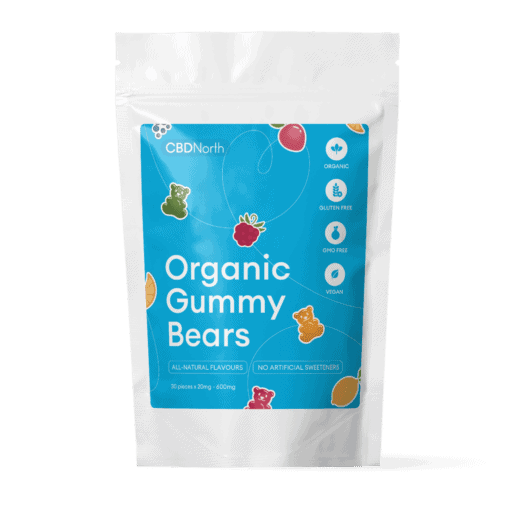
Price differences between CBD gummy brands reflect numerous production, sourcing, and business factors that create substantial cost variations. Manufacturing processes, ingredient quality, testing requirements, and company overhead expenses contribute to pricing disparities across the market. Some brands prioritise premium ingredients and extensive testing, while others focus on affordability with basic formulations. These business decisions directly impact consumers’ retail prices when comparing options. Price variations often correlate with production quality, but expensive doesn’t always guarantee superior products, making full spectrum CBD gummies evaluation complex for buyers.
Extraction method costs
Different CBD extraction processes require varying levels of equipment investment and operational expenses that influence final product pricing. CO2 extraction systems cost thousands of dollars but produce cleaner, more potent extracts than cheaper solvent-based methods. These sophisticated extraction facilities require specialised technicians and extensive safety equipment, increasing operational overhead. The extraction efficiency also varies between methods, with higher-yielding processes reducing the raw material costs per finished product. These processing differences create substantial price variations between brands using different extraction technologies.
Ingredient sourcing standards
Raw material quality creates notable cost differences between premium and budget CBD gummy manufacturers. Organic hemp cultivation requires more expensive farming practices, including certified organic fertilisers, pest control, and soil management techniques. These agricultural standards increase raw material costs by 25-50% compared to conventional farming methods. Third-party ingredient verification adds additional expenses for companies pursuing premium positioning. Independent laboratory testing for pesticides, heavy metals, and contaminants costs thousands of dollars per batch but ensures ingredient purity. Some manufacturers skip these verification steps to reduce costs, while others invest heavily in ingredient transparency that consumers value.
Laboratory testing expenses
Comprehensive product testing represents an important cost factor that varies dramatically between brands based on their quality commitments and regulatory compliance approaches.
- Potency verification testing costs $200-500 per batch, depending on cannabinoid profile complexity
- Contaminant screening for pesticides, heavy metals, and microbials adds $300-800 per test cycle
- Terpene profiling and full cannabinoid panels require specialised equipment, increasing testing expenses
- Third-party laboratory certification provides credibility, but costs more than internal testing
- Batch release testing ensures consistency but requires testing every production run rather than sampling
- Certificate of analysis preparation and documentation adds administrative costs to testing procedures
These testing investments create transparency that premium brands use to justify higher prices, while budget manufacturers may minimise testing to reduce costs. The testing frequency and scope directly correlate with retail pricing across different market segments.
Marketing and distribution overhead
Brand positioning and marketing strategies create substantial cost differences that influence retail pricing structures. Premium brands invest heavily in packaging design, advertising campaigns, and retail partnerships that increase their operational expenses. Distribution channel selection also impacts pricing as retail partnerships require margin structures different from direct-to-consumer sales. Companies selling exclusively online can offer lower prices due to reduced distribution costs, while brands pursuing retail distribution must account for wholesale margins and retailer markups in their pricing strategies.
- Direct-to-consumer sales eliminate wholesale margins, allowing lower retail prices
- Retail distribution requires 40-60% wholesale discounts, reducing manufacturer revenues per unit
- Premium retail placement often requires additional marketing support and promotional allowances
- Online marketplaces charge commission fees ranging from 8-15% of sales revenue
- Brand awareness campaigns require substantial advertising investments that increase product costs
These distribution and marketing expenses create price variations that reflect business model differences rather than product quality variations. These factors combine to create pricing structures that range from budget-friendly options to premium products with extensive quality verification and brand development investments.