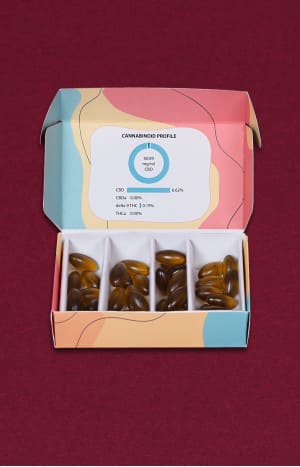
The realm of CBD is expanding at a fast rate, and so are others trying to sell it. Buyers don’t just want good CBD, they want good-looking, trustworthy, creative packaging that stands out. This is where custom CBD boxes come in. Packaging is the first thing you see when you buy something. Custom CBD boxes leave a long-lasting effect and will protect and help you promote your brand.
Companies that take the step to make custom CBD packaging are more likely to get the attention of customers and grow their brand. Custom CBD boxes allow companies to make packaging that fits the type of product they sell, their brand, and who they want to buy from them.
Whether it’s oils, creams, soaps, food, or something else, these boxes will keep things safe, pleasing to look at, and tell the buyer what to expect.
Let’s take a look at what custom CBD boxes are, why you should think about choosing them, and what kind of features they have.
Importance of Custom CBD Boxes
Strong Brand Identity
In today’s market, the best thing is to use the best one. Custom CBD boxes help your product when it comes to putting your logo on the box. When someone sees your business in the future, they will know who you are.
Protection of CBD Products
If you are using CBD, it is safe. However, it needs to be placed in a CBD box or container. Custom CBD packaging boxes are made to keep the CBD fresh. This is good if you are going to sell.
Compliance with Regulations
The CBD industry is strictly regulated. The right way is to use a box that meets the agency requirements. You should have fun with your Custom CBD packaging box, and put the name, service, and warning tips on the box to help you out. It is very helpful if you obey the law and give your customers peace of mind; this will make customers trust you.
Eco-Friendly Packaging
Many brands now want to use eco-friendly custom CBD boxes that you can recycle or that will decompose. This helps the earth and makes buyers who want to find ways to help the earth happy.
Benefits of Custom CBD Boxes
Make Buyers Happy
Custom-printed CBD Packaging plays a part in how buyers see your work. Nice ways to put something in a box make the item worth more. Buyers are more likely to buy if they love opening the box and seeing how the box was made.
Raises Sales and Marketing
Custom CBD boxes with a cool face are great marketing tools. If you put a nice logo and your own look on them, they will get buyers to see them very fast. When they are on sell shelf, they will make your stuff get seen by a lot more buyers.
Provides Product Information
CBD products require clear instructions, including dosage, ingredients, and benefits. Custom CBD boxes give enough room on the box to put this info. This makes it easier for buyers to trust what they get.
Versatile Packaging Options
From CBD oil bottles to bar soaps and rubs. Custom CBD boxes can be made in many sizes and ways. This range makes the custom boxes ready for many types of CBD products.
Make Buyers Trust You
Custom CBD boxes with a top look show a brand cares about how safe the product is and how it looks. Buyers think that if the box looks good, the thing in the box will be good, and this makes them trust.
Good at Eco-Friendly Look
As more people want to see ways to make the world better, eco-friendly CBD boxes are the way to make your name known. Buyers like a business that has a way to help the earth. This makes them want to buy from that business more.
Features of Custom CBD Boxes
Premium Quality Materials
Custom CBD boxes are made of strong materials like Kraft, corrugated cardboard, or stiff stock. This ensures the safety of the product when it is sent and tied up.
Unique Printing and Design
With great ways to print, you can make custom CBD boxes with lively shades, pressing, shine, or bold layers. This makes the packaging eye-catching and high-class.
Unique Sizes and Shapes
If you want small boxes for CBD oils or big boxes for creams and eats, the specially made CBD boxes can match what you want well.
Branding ways
Adding your firm’s logo, brand name, and brand shades to the boxes makes your product known almost right away. This helps buyers to keep in mind your firm and makes a strong impression on your name.
Conclusion
Custom CBD boxes are more than the packaging for your products. They also have great power when it comes to branding, keeping safe, doing well in the market, and how happy your customers are. In the hard world of selling CBD, where consumers want quality and you look right, it’s super important to package right to get the customers.
When you pick boxes that are hit hard but are good for the environment too, and look good, you can make your spot in the market big and sell more. With Custom CBD boxes that keep things safe and show what your big idea is, custom CBD boxes can do a lot for you.
If you run a CBD company, it is one of the best moves you can take to buy custom CBD boxes. When you get the right kind of packaging for what you sell and how you show people your story, your brand can be the one everyone likes and makes people want to buy more.